Rooflines Protected from Moisture and Pests
Soffit & Fascia Installation in Mountain Green for homes with roof edges vulnerable to water intrusion and animal entry
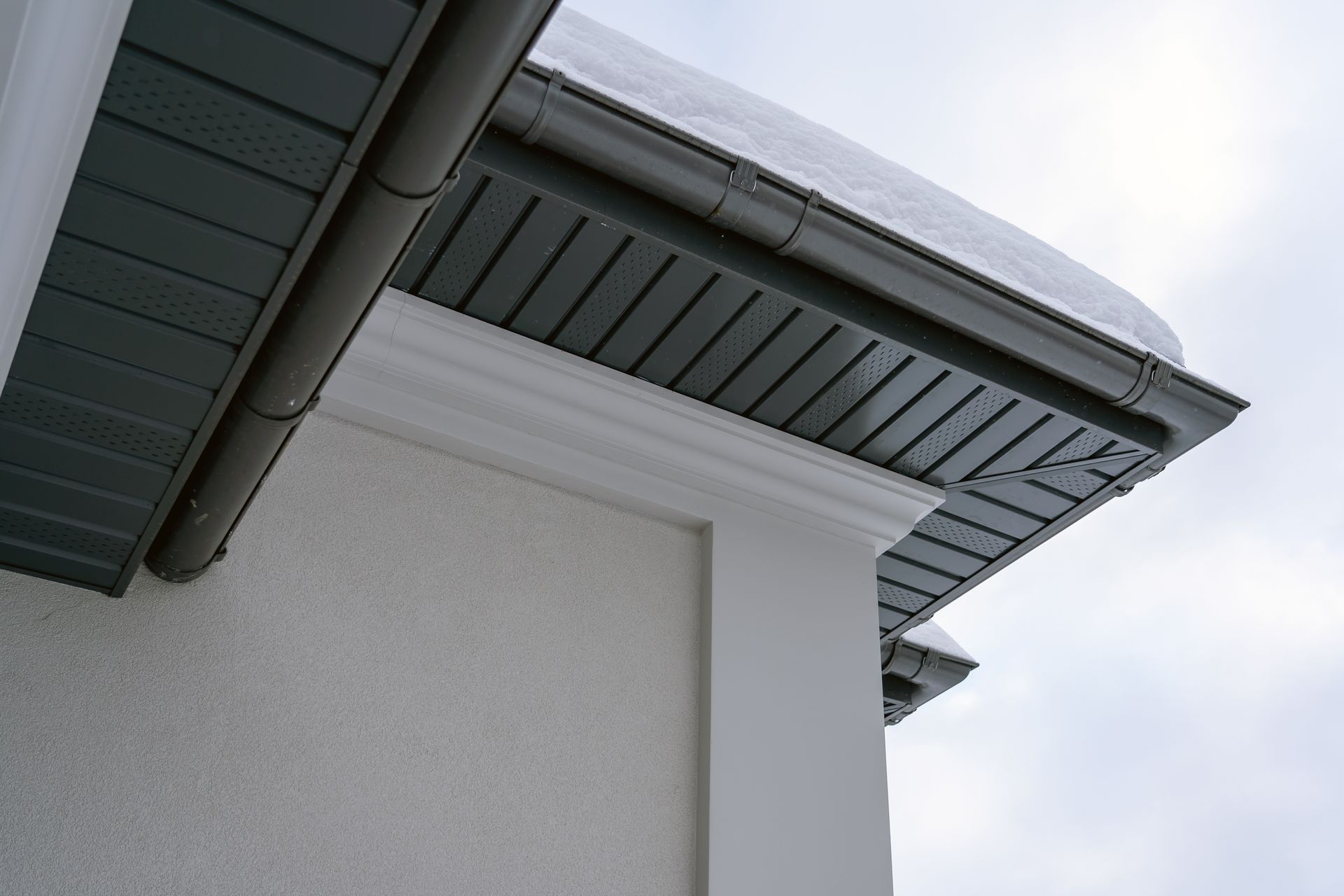
Fascia board replacement becomes necessary when wood rot develops from water running off the roof edge or when ice dams force moisture underneath shingles and into the trim. Keeneye Construction LLC installs soffit and fascia systems in Mountain Green using ventilated soffit systems that allow attic airflow while blocking insects, birds, and rodents from entering through gaps along the roofline. Aluminum and wood options provide different maintenance requirements and durability depending on exposure to direct weather and the presence of overhanging tree branches that hold moisture against the material.
Installation removes deteriorated boards and inspects rafter tails for damage that extended beyond the visible trim, replacing structural components before new fascia is secured. Ventilated soffit panels are sized and spaced to meet attic ventilation requirements, creating intake airflow that works with ridge or gable vents to prevent heat and moisture buildup. Roofline protection includes proper flashing where the fascia meets the roof deck and drip edge that directs water away from the wood or aluminum surface.
Schedule an inspection to identify rot, pest entry points, or ventilation deficiencies along your roofline.
Why Ventilation and Material Choice Matter
Pest and moisture prevention depend on continuous soffit coverage without gaps where animals can tear through screening or chew into unprotected wood. Ventilated soffit systems pull cool air into the attic space, reducing summer heat that degrades roofing materials and ice dam formation in winter when warm attic air melts snow on the roof surface. Aluminum soffit and fascia resist rot and insect damage but dent on impact, while wood options accept paint and stain but require sealing to prevent water absorption.
After installation, you see rooflines that remain straight without sagging fascia boards, soffit panels that stay secure through wind events, and attic temperatures that moderate because ventilation now functions as designed. Maintenance and repair services address isolated damage from falling branches or hail without replacing the entire system when the majority of panels and boards remain intact. Keeneye Construction LLC matches existing colors and profiles when replacing sections, maintaining uniform appearance across all roof edges.
Material selection affects how often refinishing is required and how the soffit and fascia perform in areas with limited sun exposure where moisture lingers. Aluminum needs no painting but can fade over time, while wood must be inspected periodically for peeling paint or exposed grain that allows water penetration.
What Property Owners Usually Ask
Soffit and fascia systems involve ventilation calculations, material trade-offs, and installation details that affect both immediate appearance and long-term attic health.
What does ventilated soffit actually accomplish?
Ventilated soffit allows outside air to enter the attic at the eaves, creating airflow that exits through higher vents to remove heat and moisture that would otherwise condense on sheathing or degrade insulation.
How is fascia board rot identified before it becomes severe?
Rot shows as soft spots when the board is pressed, paint that peels repeatedly in the same area, or visible water stains and discoloration where moisture penetrated the wood and remained long enough to support decay.
When should aluminum be chosen over wood for soffit and fascia?
Aluminum makes sense when maintenance access is difficult, when the home is unoccupied for extended periods, or when previous wood installations rotted prematurely due to shade or poor drainage conditions in Mountain Green.
What prevents pests from entering through soffit vents?
Properly installed ventilated soffit uses screening or perforated panels with openings small enough to block insects and prevent birds or rodents from tearing through, while maintaining adequate airflow into the attic space.
How does fascia replacement integrate with existing gutters?
Fascia board replacement requires temporary gutter removal, installation of the new fascia, and then reattachment or adjustment of the gutter system to ensure proper slope and secure mounting to the new material.
Keeneye Construction LLC evaluates roofline condition, attic ventilation needs, and material suitability before recommending soffit and fascia installation or repair. Request an evaluation to review your specific roofline protection requirements.